Walking paths
A pleasant pedestrian outing begins in Donja Vrućica by taking the old path which leads on from paved road to Duba. With their aroma and exotic flowers, numerous herbal plants (sage, rosemary, heather, basil) overflow the paths. Strolling along the path, you can come across numerous stone heaps, some of it were created by ploughing the land and some of it which are obviously remains from the Illyrian period. The path is 2.5 km in length and it ends at St. Kuzma and Damian’s church in Donja Vrućica.
Beaches
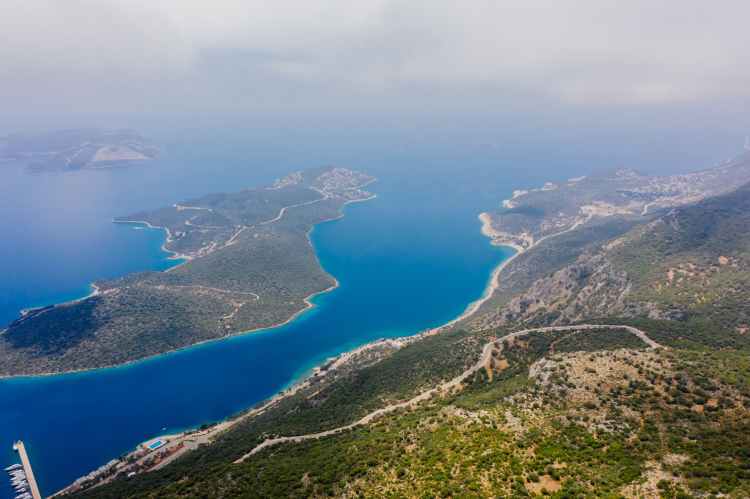
This area offers beautiful, mainly gravel beaches that are visited even by tourists from other tourist places on the peninsula. On every beach you can linger in the sun or in the shade of pine tres, palm – trees, tamarisks and other mediterranean plants.Due to its favourable geographic position, it has a mild climate during the whole year, when a hot and moderate summer afternoon’s sea breeze (mistral) refreshes you.

Trpanj
Trpanj – a hidden jewel with long history and rich cultural heritage, home of landscape featuring numerous vineyards and centuries old olive orchards is now becoming a true Mediterranean paradise with countless beaches and numerous hidden coves that are waiting for you!
Orebić
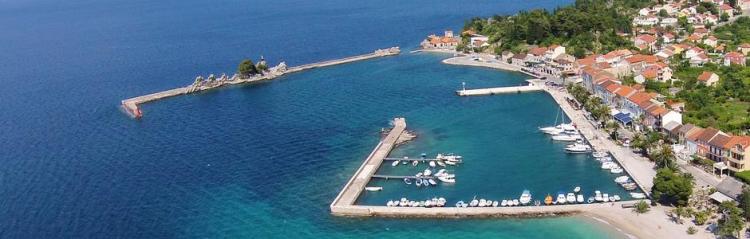
Laidback and relaxed, this is the way of life in Orebić today. You would be sure to enjoy this unencumbered Dalmatian lifestyle and bask in the Mediterranean openness. Wild Dalmatian nature, crystal clear sea, hill of St. Elijah on one side, Pelješac Channel on the other, medieval town of Korčula right across the sea – all of it is waiting for you to discover…
Ston
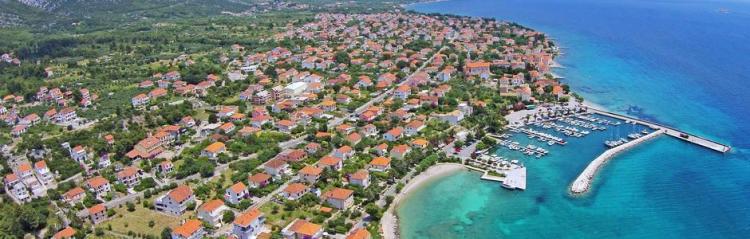
Ston in southern Dalmatia is by and large known for three things – its very well preserved town walls (second longest after wall in China), its salt pan and its mussels! If you choose a visit to this part of the Peljesac peninsula, we’re sure you’ll encounter at least two of these three things.
Korčula
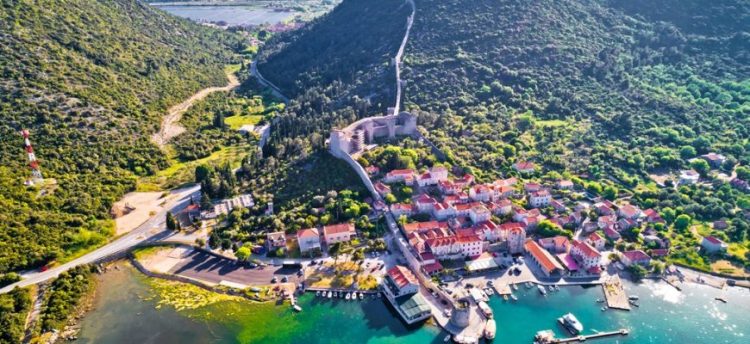
Korčula is a historic fortified town on protected east coast of the island of Korčula. The old city is surrounded by walls and streets that are arranged in a herringbone pattern, allowing free circulation of air and protecting against strong winds.
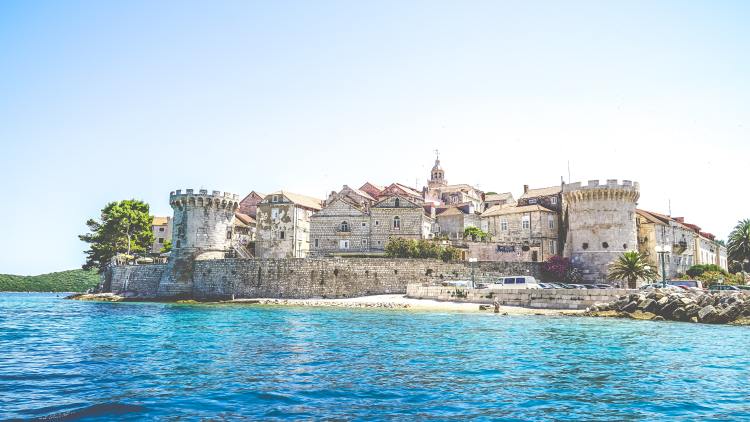
Dubrovnik
Dubrovnik is an old city on Adriatic Sea coast in the extreme south of Croatia. It is one of the most prominent tourist resorts of the Mediterranean, a seaport and the centre of the Dubrovnik – Neretva County. Dubrovnik is nicknamed “Pearl of the Adriatic” and is listed as a UNESCO World Heritage Site since 1979.
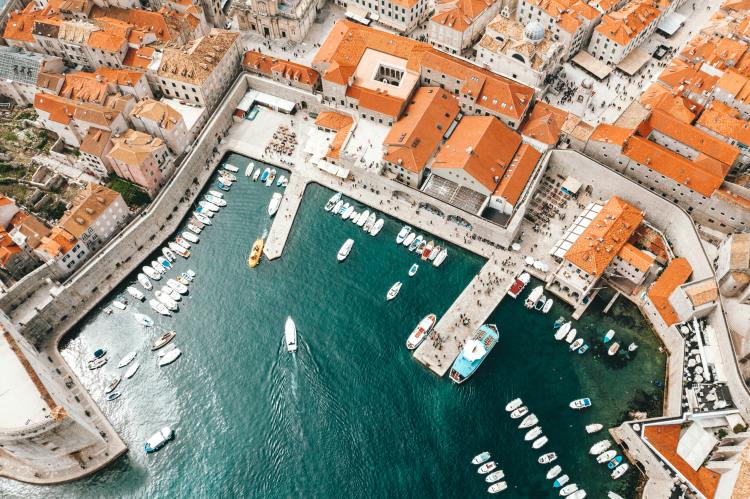
Mljet
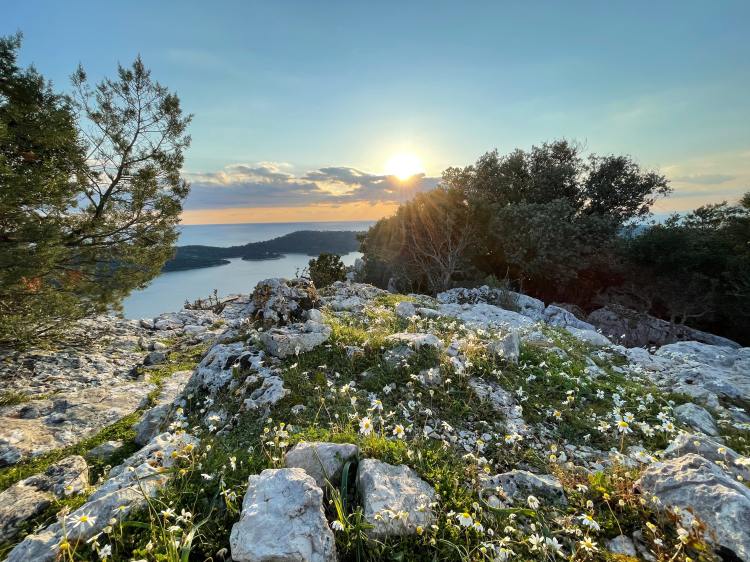
Forest – shrouded Mljet is one of the most seductive of all Adriatic islands. The establishment of a national park in 1960 at its western end put the island on tourist map, but Mljet is anything but overrun. Visitors are almost entirely drawn to the tourist enclave around Pomena. The remainder of island retains the unspoilt air of tranquillity that, according to legend, captivated Odysseus for seven years.
 Agroturizam Šeput